The Cornerstone to Our Success
| Model | b1 | b3 | f | h1 | k | L2 | L3 | d | r1 |
| TK3 | 75 | 44 | 2 | 55 | 10 | 90 | 30 | 10 | 3 |
| TK5 | 87 | 50 | 3 | 60 | 16.4 | 180 | 20 | 14 | 5 |
| Tolerance | ±1 | ±0.3 | ±0.20 |
0 -0.5 |
±0.4 | ±0.5 | ±0.3 |
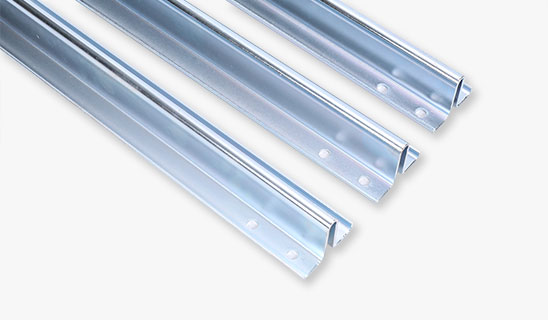
Our flat-edged hollow guide rails are high-performance elevator guide rails featuring a rectangular hollow section with flat, non-flanged edges, designed for lightweight construction, precise alignment, and efficient installation. Commonly applied in MRL, residential, and commercial elevator systems, this design offers an ideal balance of strength, reduced material weight, and compatibility with modern elevator cars and counterweights.
The hollow structure of flat-edged hollow guide rails is specifically engineered to achieve an optimal balance between reduced weight and structural stiffness. By removing non-load-critical material from the interior of the rail, the overall mass is significantly lowered without compromising the functional load-bearing surfaces. This reduction in weight decreases system inertia, enabling smoother motion, faster acceleration, and improved energy efficiency, particularly in long-stroke or high-speed linear applications.
At the same time, the flat-edged geometry and carefully designed hollow cross-section preserve high bending and torsional rigidity. Material is strategically distributed toward the outer profile, where it contributes most effectively to resistance against deflection and deformation. As a result, flat-edged hollow guide rails maintain stable linear guidance under operational loads while minimizing sagging over extended spans. Compared with solid flat-edged rails, this structural approach delivers comparable stiffness performance with lower material usage, making it a practical and efficient solution for applications that demand both mechanical stability and lightweight design.
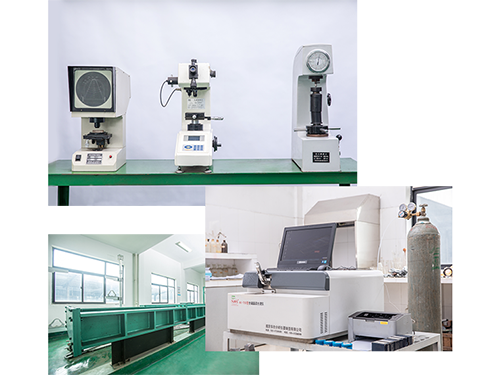
According to international standards: ISO7465:2007; ISO630: 2021. According to international standards, conduct comprehensive testing of raw materials based on the material certification provided by suppliers to ensure that the quality of each batch of raw materials meets the requirements.
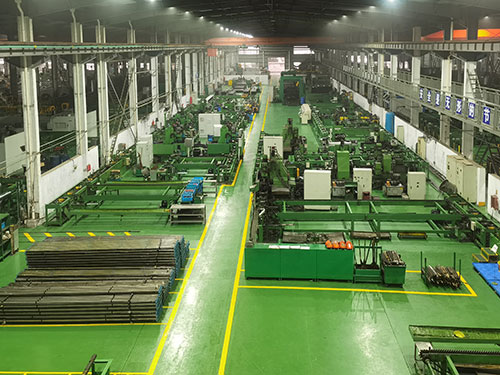
Configure two automated guide rail production lines. The equipment must ensure that the produced items comply with or exceed customer requirements while maintaining the stability of straightness, distortion, and surface roughness
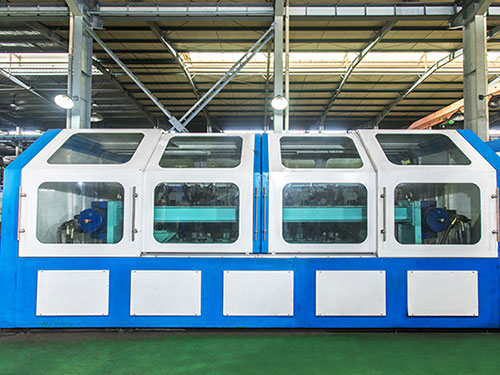
Given the stringent requirements for straightness and twist in BE grade guideways, specialized automatic straightening and twist correction equipment, along with advanced detection systems, have been implemented. The straightness is maintained within 0.5 mm, while the twist is controlled to within 30' per meter
The service concept of "customer first" asserts that, regardless of where our services are delivered—be it within the company, at the client's workplace, on the construction site, or during transportation—our primary objective remains to satisfy the client