The Cornerstone to Our Success
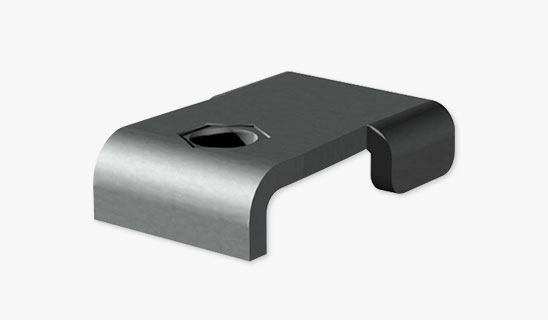
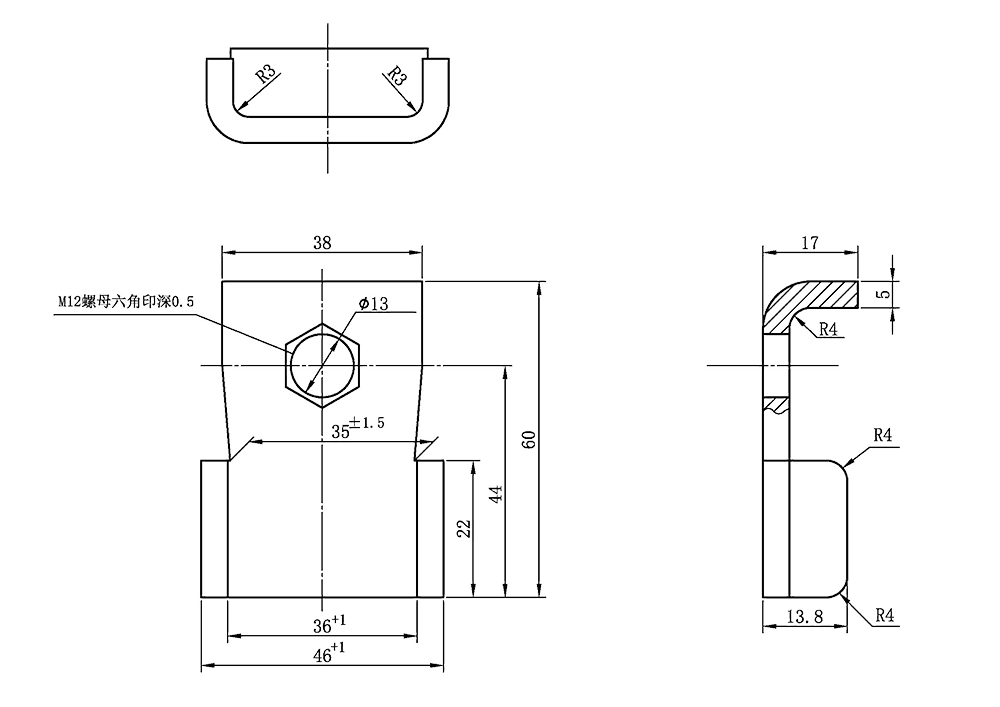
Hollow guide rail clips are specially designed fastening components used to secure hollow-type elevator guide rails to their mounting brackets or shaft walls. Unlike traditional clips for solid rails, these clips are precisely shaped to accommodate the unique profile and wall thickness of hollow guide rails, ensuring firm attachment without deformation.
Widely used in machine room-less (MRL) and mid- to high-rise elevator systems, these clips help maintain rail alignment, reduce vibration, and improve the overall stability and safety of the elevator shaft structure.
Hollow guide rail clips are specialized fastening components designed to secure hollow guide rails to machine frames or structural bases. Unlike standard rail clamps, these clips are engineered to match the unique profile and geometry of hollow guide rails, providing precise alignment and stable fixation without compromising the rail’s internal cavity. Their primary function is to maintain the positional accuracy of the guide rail under dynamic loads, preventing shifting, rotation, or vibration during operation.
In addition to fixation, hollow guide rail clips often serve as alignment aids, helping to establish and maintain the correct installation datum during assembly. They can also contribute to the overall stiffness of the guiding system by reinforcing the rail-to-frame connection. Depending on the design, clips may incorporate features such as integrated mounting holes, locating pins, or anti-slip contact surfaces to enhance installation reliability. By providing a tailored connection solution for hollow guide rails, these clips play a critical role in ensuring long-term stability, smooth motion, and reliable performance in linear guidance systems.
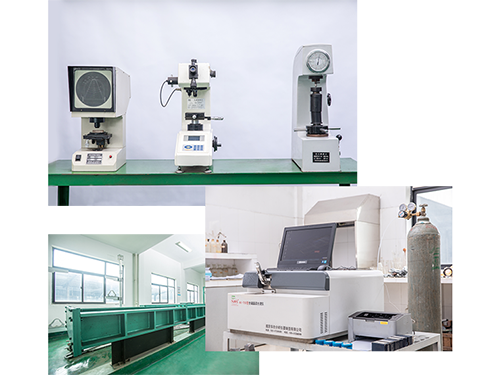
According to international standards: ISO7465:2007; ISO630: 2021. According to international standards, conduct comprehensive testing of raw materials based on the material certification provided by suppliers to ensure that the quality of each batch of raw materials meets the requirements.
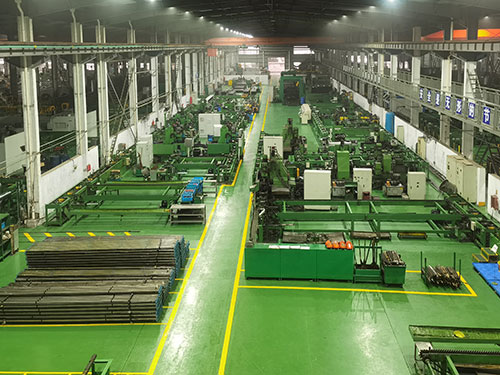
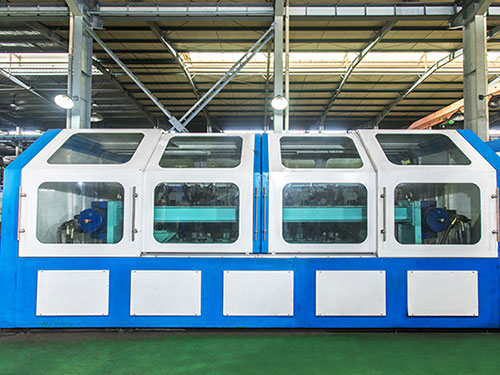
Configure two automated guide rail production lines. The equipment must ensure that the produced items comply with or exceed customer requirements while maintaining the stability of straightness, distortion, and surface roughness
Given the stringent requirements for straightness and twist in BE grade guideways, specialized automatic straightening and twist correction equipment, along with advanced detection systems, have been implemented. The straightness is maintained within 0.5 mm, while the twist is controlled to within 30' per meter
The service concept of "customer first" asserts that, regardless of where our services are delivered—be it within the company, at the client's workplace, on the construction site, or during transportation—our primary objective remains to satisfy the client