The Cornerstone to Our Success
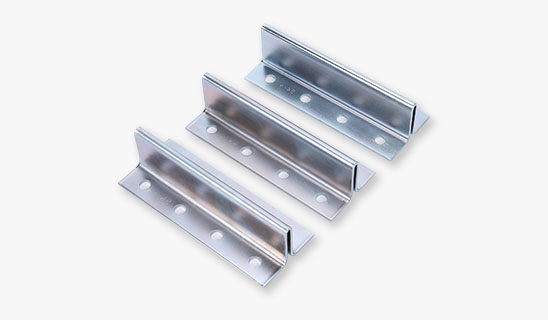
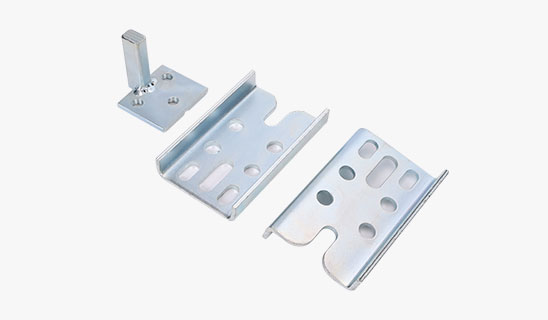
T3 hollow connecting plates is a purpose-built connector used to securely join two T3-type closed-end elevator guide rails. Unlike conventional joint plates, this model is optimized for closed-end (sealed-end) rail profiles, providing reliable alignment and structural connection while preserving the sealed integrity of the rail system.
Engineered for use in machine room-less (MRL) and mid-rise to high-rise elevators, this joint plate supports stable rail continuity and minimizes vibration between sections, ensuring a smooth and safe ride.
When selecting T3 hollow connecting plates, it is essential to consider the specific requirements of the application, including load conditions, structural alignment, and installation constraints. The hollow design provides a high strength-to-weight ratio, but proper sizing and configuration are necessary to ensure reliable performance. Key selection factors include the expected static and dynamic loads, the direction and type of forces (bending, shear, torsion), and the required stiffness of the connection. In addition, installation considerations such as bolt pattern compatibility, hole positioning accuracy, and available mounting space must be evaluated to prevent misalignment or premature wear.
Customization is often required to match the unique needs of industrial systems. T3 hollow connecting plates can be tailored in terms of dimensions, wall thickness, cavity design, and reinforcement features such as ribs or gussets. Non-standard hole patterns and countersinks can be added to align with specific frame structures, guide rails, or mounting hardware. Material selection and surface treatment are also important customization options, especially for corrosive or high-temperature environments, where stainless steel or protective coatings may be preferred. By combining correct selection principles with flexible customization, T3 hollow connecting plates can be optimized for performance, durability, and ease of installation in a wide range of mechanical and automation applications.
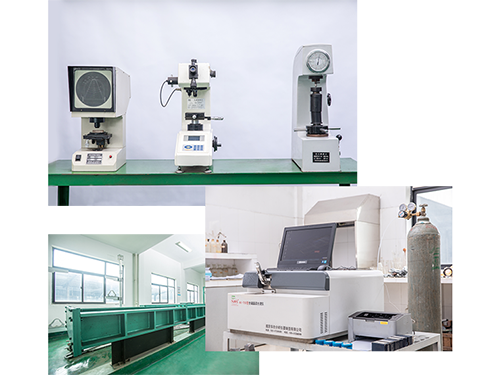
According to international standards: ISO7465:2007; ISO630: 2021. According to international standards, conduct comprehensive testing of raw materials based on the material certification provided by suppliers to ensure that the quality of each batch of raw materials meets the requirements.
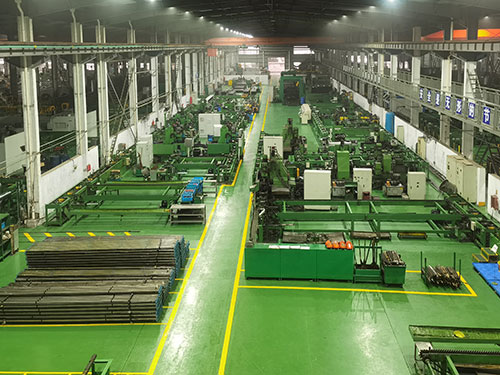
Configure two automated guide rail production lines. The equipment must ensure that the produced items comply with or exceed customer requirements while maintaining the stability of straightness, distortion, and surface roughness
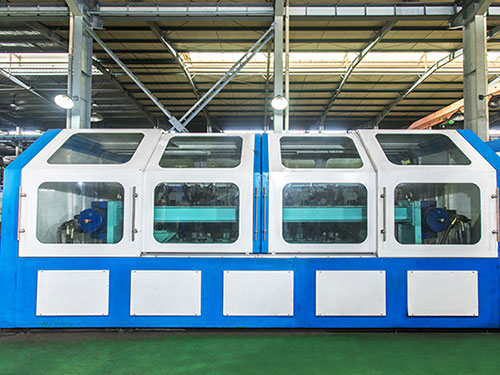
Given the stringent requirements for straightness and twist in BE grade guideways, specialized automatic straightening and twist correction equipment, along with advanced detection systems, have been implemented. The straightness is maintained within 0.5 mm, while the twist is controlled to within 30' per meter
The service concept of "customer first" asserts that, regardless of where our services are delivered—be it within the company, at the client's workplace, on the construction site, or during transportation—our primary objective remains to satisfy the client