The Cornerstone to Our Success
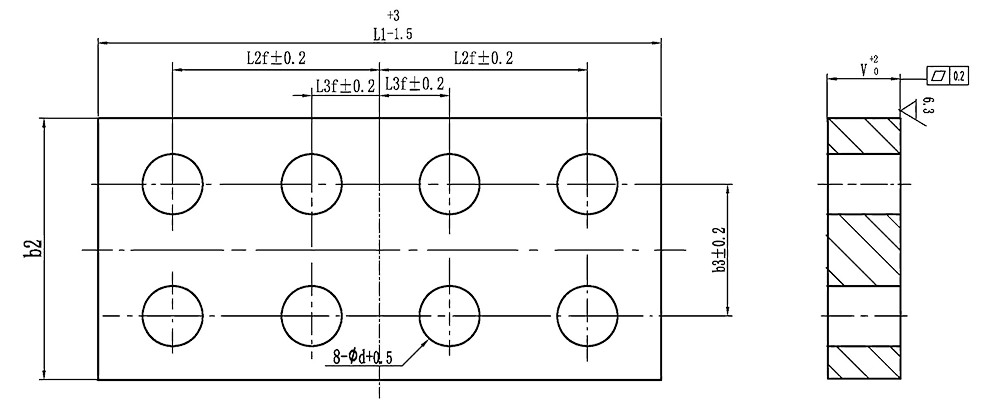
| Model | b2 | v | L1 | b3 | L2f | L3f | d |
| T70-1/B | 70 | 10 | 250 | 42 | 105 | 25 | 13 |
| T75/B | 75 | 10 | 240 | 42 | 150 | 25 | 13 |
| T75-1/B | 75 | 10 | 240 | 43 | 90 | 30 | 13 |
| T75-3/B | 75 | 10 | 240 | 43 | 90 | 30 | 13 |
| T78/B | 75 | 13 | 250 | 42 | 105 | 25 | 13 |
| T82/B | 82 | 8.5 | 216 | 50.8 | 81 | 27 | 13 |
| T82-3/B | 82 | 13 | 305 | 50 | 114.3 | 38.1 | 13 |
| T89/B | 90 | 13 | 305 | 57.2 | 114.3 | 38.1 | 13 |
| T89-1/B | 90 | 13 | 305 | 57.2 | 114.3 | 38.1 | 13 |
| T89-2/B | 90 | 13 | 305 | 57.2 | 114.3 | 38.1 | 13 |
| T90/B | 90 | 13 | 305 | 57.2 | 114.3 | 38.1 | 13 |
| T114/B | 114 | 18 | 305 | 70 | 114.3 | 38.1 | 17 |
| T127-1/B | 127 | 17 | 305 | 79.4 | 114.3 | 38.1 | 17 |
| T127-2/B | 127 | 17 | 305 | 79.4 | 114.3 | 38.1 | 17 |
| T140-1/B | 140 | 25 | 380 | 92.1 | 152.4 | 38.1 | 21 |
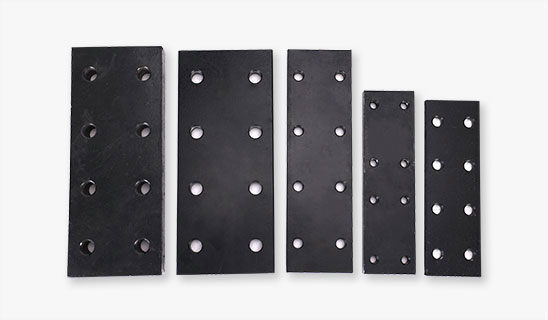
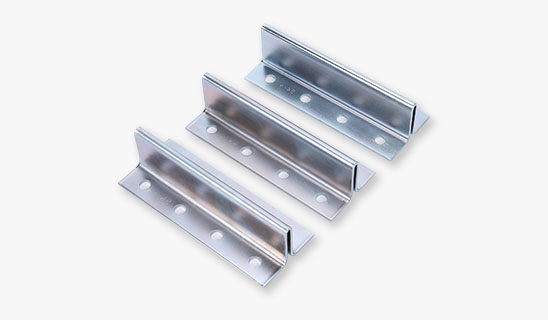
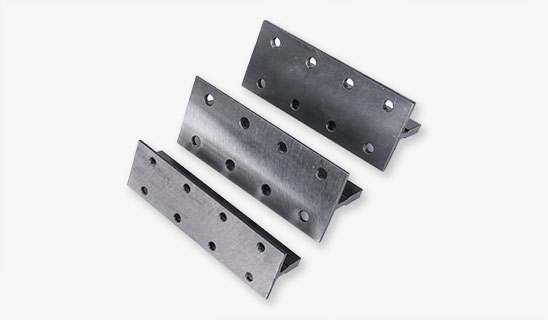
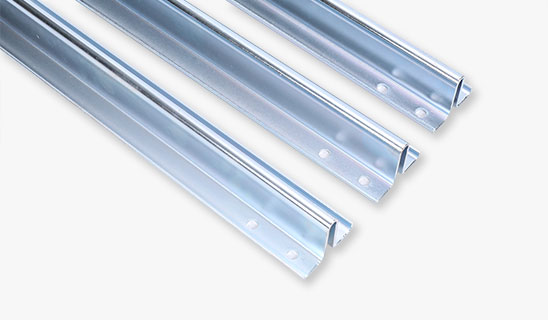
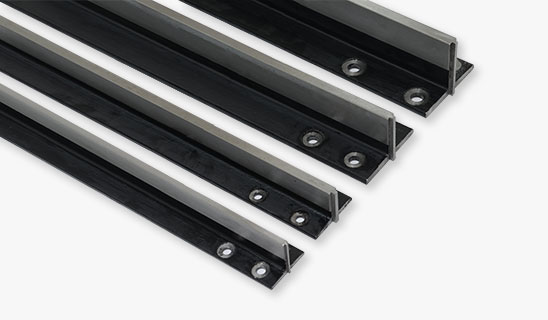
Metal joint plates are essential structural components used to connect, reinforce, and stabilize metal profiles, rails, and frame systems. Designed for high load-bearing capacity and long-term durability, these plates provide secure and precise connections in a wide range of industrial and construction applications.
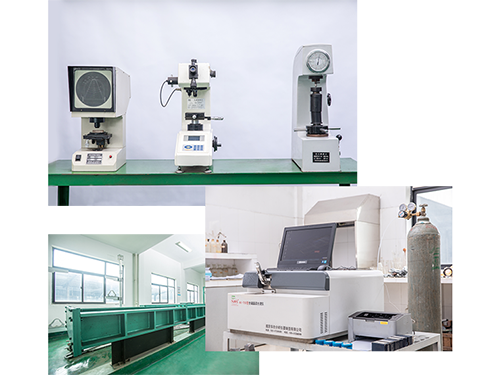
Each metal joint plate is produced under strict quality control procedures, including material verification, dimensional inspection, and surface finish checks. Products can be manufactured in compliance with ISO or other applicable industry standards.
Metal joint plates are structural connecting components designed to mechanically link two or more separate elements into a stable and load-bearing assembly. Their primary function is to ensure effective load transfer across joints while maintaining alignment, structural continuity, and overall system integrity. By using bolted, pinned, or combined fastening methods, metal joint plates provide a reliable alternative to permanent joining processes such as welding, offering greater flexibility in installation, adjustment, and maintenance.
From a functional positioning perspective, metal joint plates act as critical interface elements within mechanical, structural, and guide rail systems. They distribute applied forces—such as tensile, shear, and bending loads—across a wider contact area, reducing localized stress and improving joint durability. In many applications, they also serve a reinforcing role, enhancing joint stiffness and resistance to vibration or fatigue. Due to their adaptability to different materials, geometries, and load conditions, metal joint plates are widely used in industrial machinery, automation systems, elevator structures, and steel frameworks where safety, reliability, and long-term performance are essential.
According to international standards: ISO7465:2007; ISO630: 2021. According to international standards, conduct comprehensive testing of raw materials based on the material certification provided by suppliers to ensure that the quality of each batch of raw materials meets the requirements.
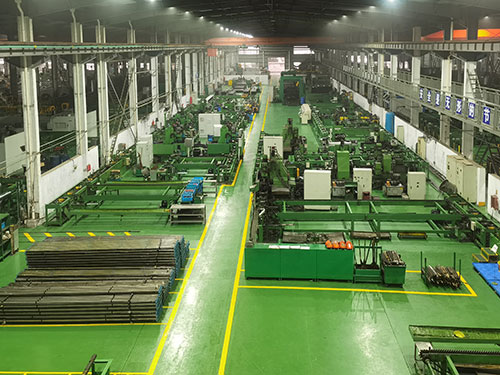
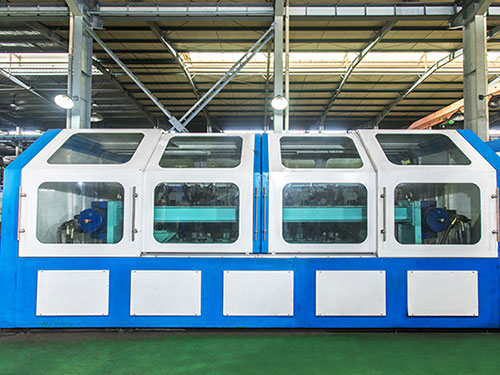
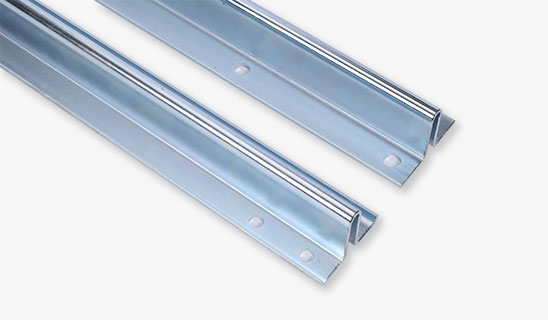
Configure two automated guide rail production lines. The equipment must ensure that the produced items comply with or exceed customer requirements while maintaining the stability of straightness, distortion, and surface roughness
Given the stringent requirements for straightness and twist in BE grade guideways, specialized automatic straightening and twist correction equipment, along with advanced detection systems, have been implemented. The straightness is maintained within 0.5 mm, while the twist is controlled to within 30' per meter
The service concept of "customer first" asserts that, regardless of where our services are delivered—be it within the company, at the client's workplace, on the construction site, or during transportation—our primary objective remains to satisfy the client