The Cornerstone to Our Success
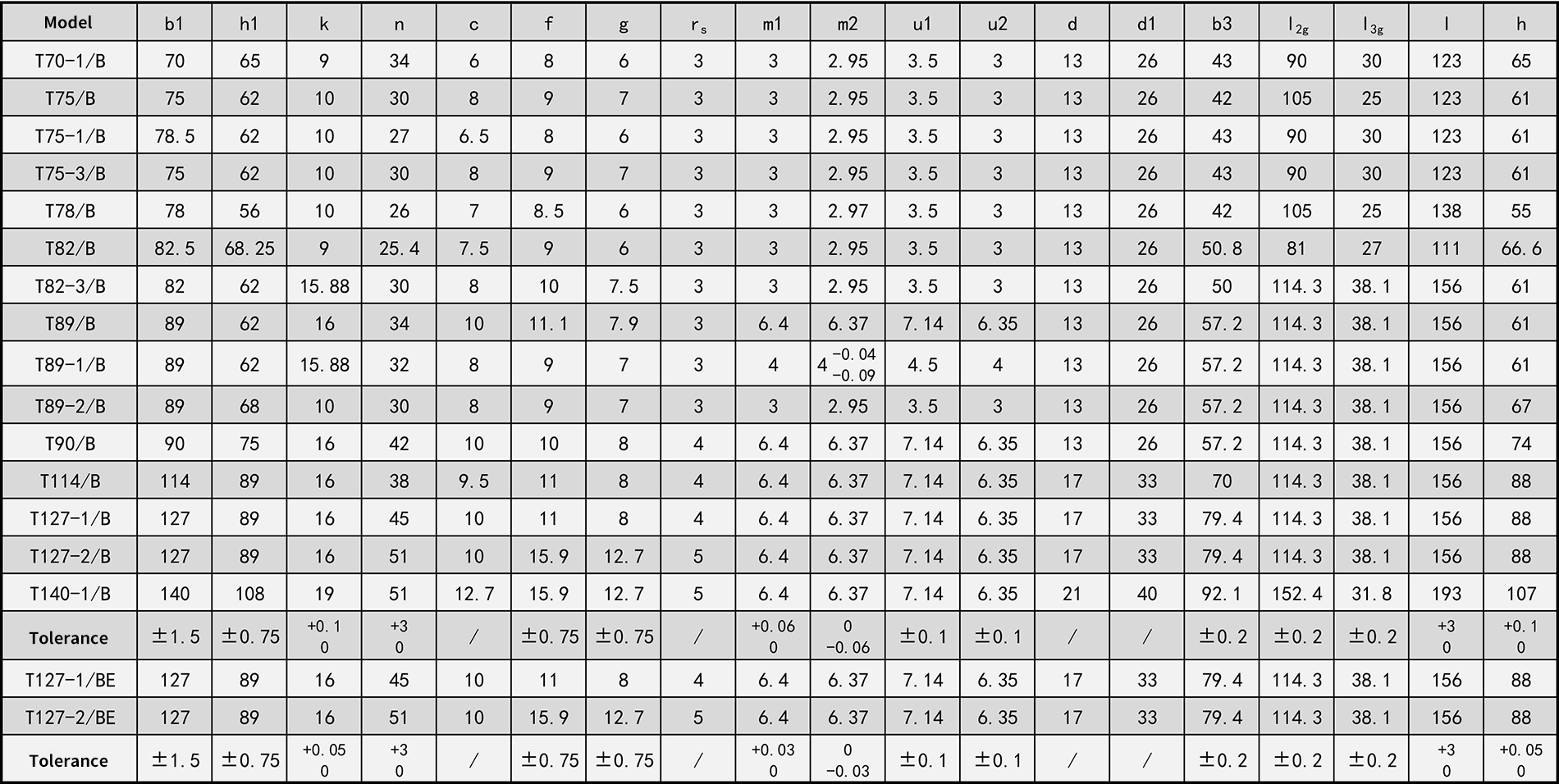
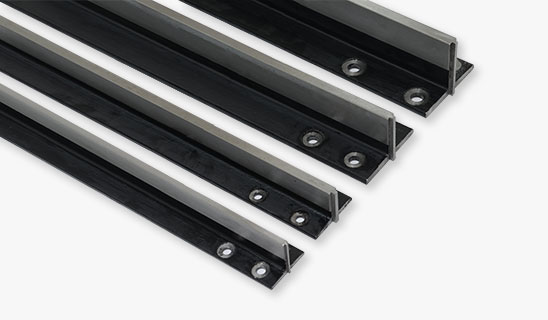
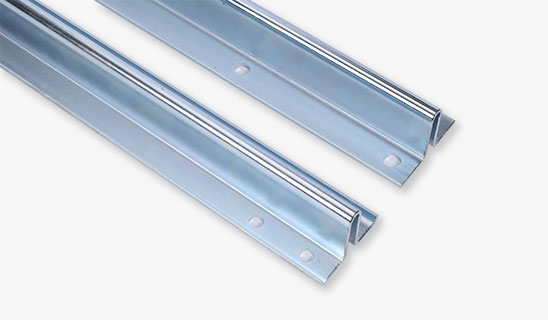
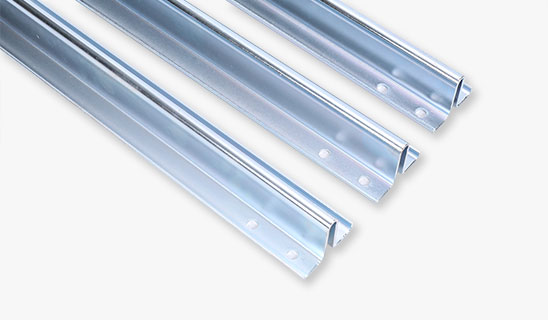
T127 guide rails are engineered as a heavy-duty guide rail model designed to meet the stringent requirements of high-load, high-stability elevator applications. The “T127” designation refers to a specific rail profile and section size developed to provide superior rigidity, precise guidance, and long-term structural reliability in demanding operating conditions.
It features a larger cross-sectional area and increased moment of inertia compared with smaller T-type rails, allowing it to withstand higher lateral forces and dynamic loads generated during elevator operation.
T127 guide rails are manufactured using advanced rolling and straightening processes, followed by precision machining to ensure accurate dimensions and straightness. Tight production tolerances help reduce rail joint misalignment and improve overall system stability.
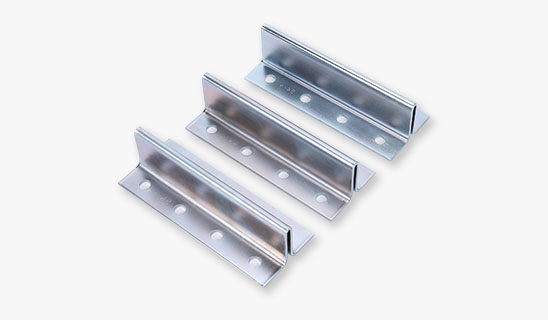
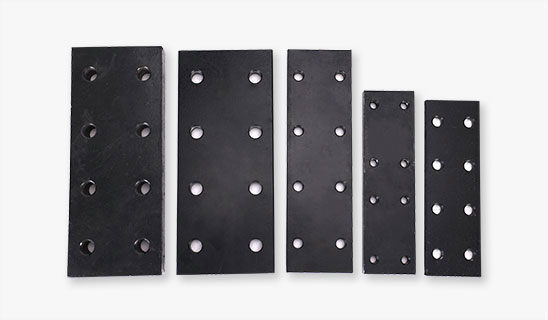
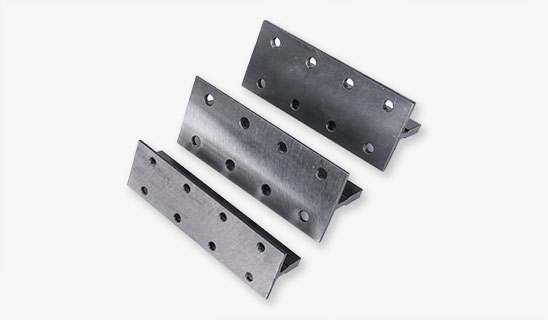
T127 guide rails are commonly used in applications that require stable linear guidance and precise alignment. To ensure reliable performance, the connection and installation system plays a crucial role in maintaining rail straightness, load transfer, and long-term stability. A typical installation system for T127 guide rails includes rail clips, joint plates, connecting plates, and mounting fasteners, all of which must be selected and assembled with strict attention to alignment and torque specifications.
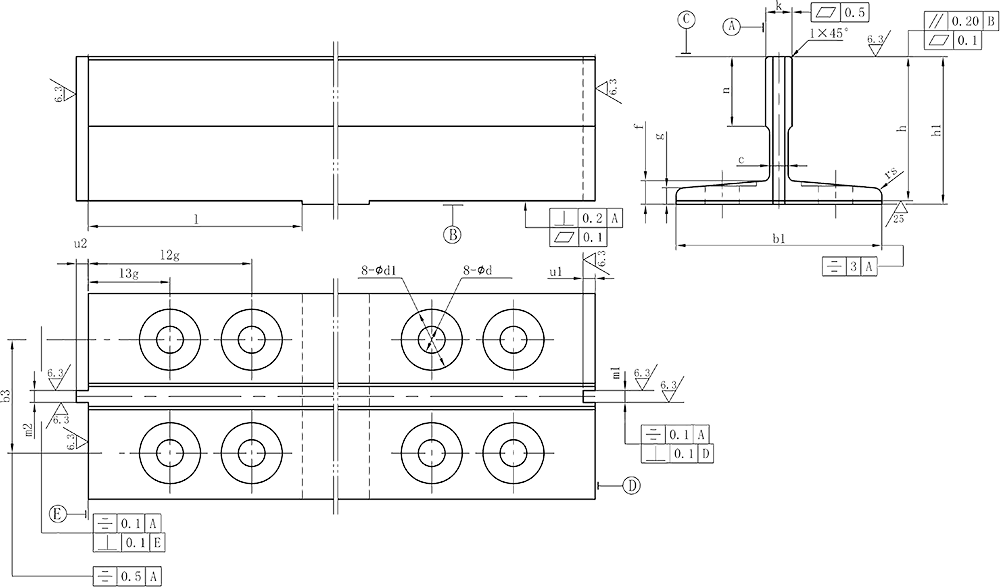
The installation process begins with establishing accurate reference surfaces on the machine frame or supporting structure. The rail is positioned along the intended travel path, and temporary alignment fixtures may be used to ensure straightness and parallelism. Rail clips are then used to secure the rail at predetermined intervals, providing lateral restraint and preventing displacement under operational loads. For longer rail lengths or segmented installations, joint plates or fish plates are used to connect adjacent rail sections, ensuring a smooth transition and consistent guiding surface. The mounting holes and bolt patterns must match the rail profile and maintain consistent spacing to avoid local stress concentration and misalignment.
Proper torque control and fastening sequence are essential to prevent deformation of the rail and to maintain uniform contact between the rail and the supporting structure. In addition, installation systems should account for thermal expansion, vibration, and dynamic loads by including suitable clearances, anti-loosening measures, and reinforcement components where needed. A well-designed connection and installation system ensures that T127 guide rails can deliver stable guidance, precise motion control, and reliable service life in demanding industrial environments.
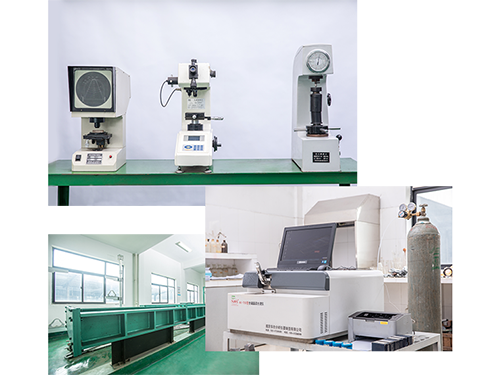
According to international standards: ISO7465:2007; ISO630: 2021. According to international standards, conduct comprehensive testing of raw materials based on the material certification provided by suppliers to ensure that the quality of each batch of raw materials meets the requirements.
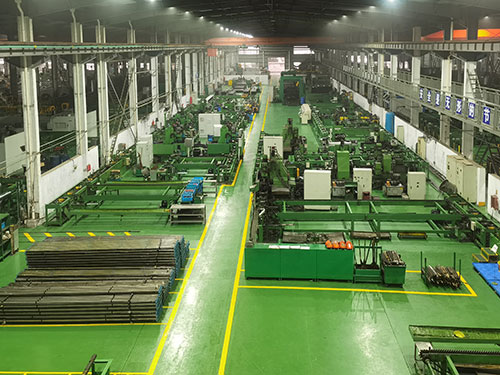
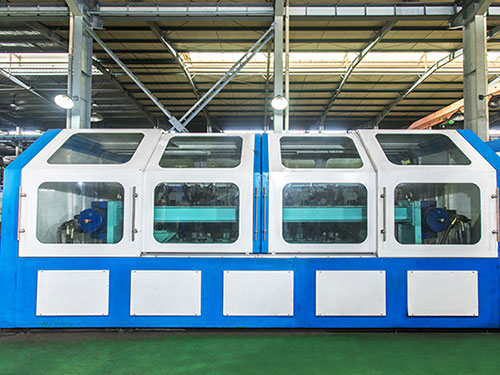
Configure two automated guide rail production lines. The equipment must ensure that the produced items comply with or exceed customer requirements while maintaining the stability of straightness, distortion, and surface roughness
Given the stringent requirements for straightness and twist in BE grade guideways, specialized automatic straightening and twist correction equipment, along with advanced detection systems, have been implemented. The straightness is maintained within 0.5 mm, while the twist is controlled to within 30' per meter
The service concept of "customer first" asserts that, regardless of where our services are delivered—be it within the company, at the client's workplace, on the construction site, or during transportation—our primary objective remains to satisfy the client