The Cornerstone to Our Success
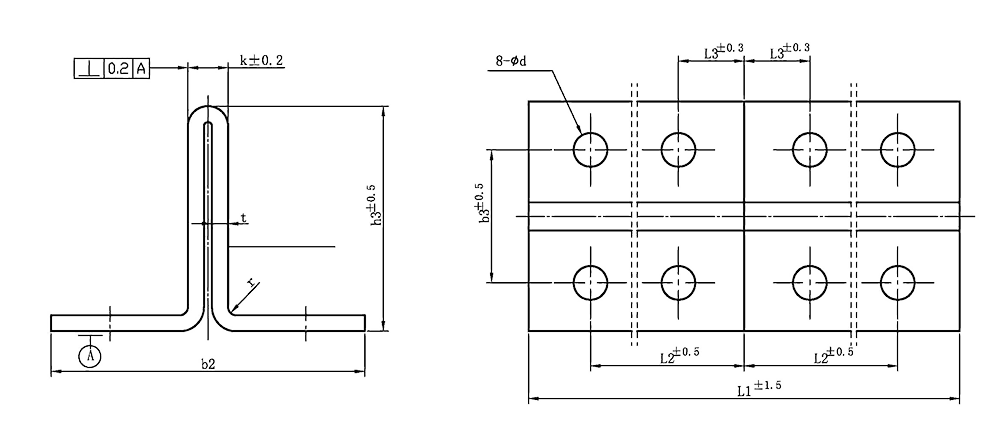
| Model | b2 | h3 | k | t | b3 | r | d | L1 | L2 | L3 |
| LK5 | 87 | 58 | 10 | 4 | 50 | 3 | 14 | 400 | 480 | 20 |
| LK3A | 78 | 56 | 11.4 | 4 | 45 | 3.2 | 11.5 | 200 | 75 | 25 |
| LK5A | 78 | 56 | 10 | 4 | 45 | 2 | 11.5 | 200 | 75 | 25 |
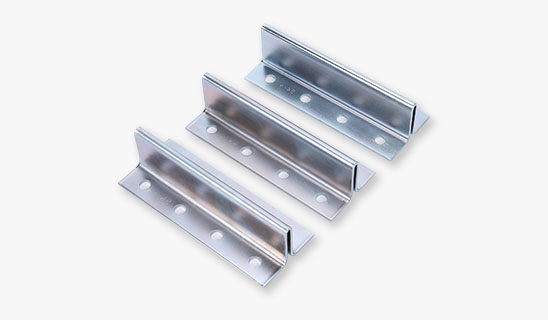
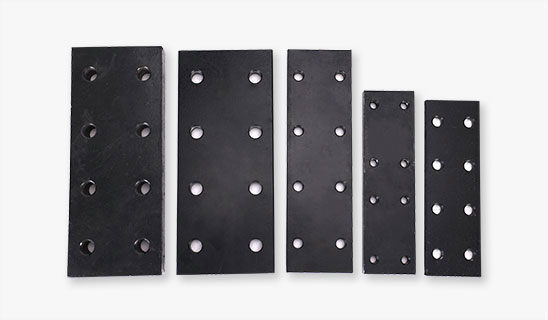
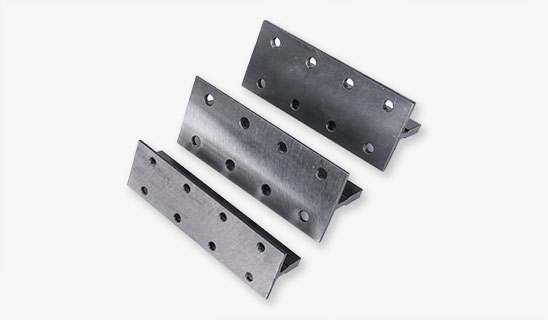
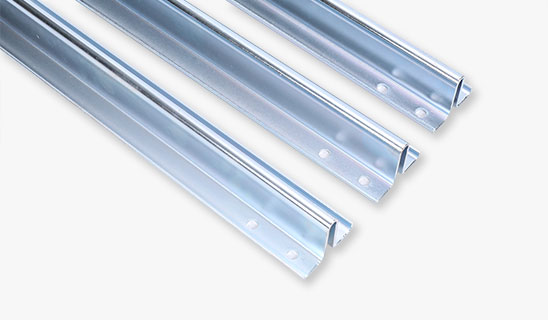
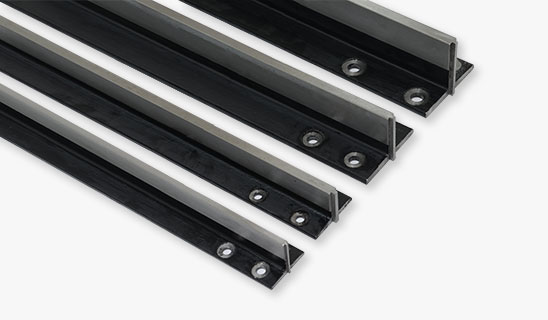
TK5A hollow connecting plates are precision-engineered components designed for seamless connection and alignment of hollow guide rails and structural frames. Manufactured with high-strength materials and strict dimensional control, the TK5A plate offers excellent stability, load-bearing capacity, and corrosion resistance, making it ideal for industrial applications such as elevator guide rail systems, automated machinery, and structural support frameworks.
TK5A hollow connecting plates are engineered with a carefully optimized hollow structure that balances mechanical strength and material efficiency. The hollow section is designed to reduce overall weight while preserving sufficient stiffness to ensure reliable load transfer between connected guide rails or structural members. By removing non-critical material from the core area, the plate achieves a favorable strength-to-weight ratio without compromising its functional integrity.
From a structural design perspective, the wall thickness and cross-sectional geometry are key parameters. The walls are dimensioned to withstand bending moments and shear forces generated during operation, while reinforced zones are typically incorporated around bolt holes and high-stress regions to minimize stress concentration. The hollow configuration also allows for more uniform stress distribution compared with a solid plate of equivalent outer dimensions, contributing to improved fatigue resistance under cyclic loads. Overall, the structural design and hollow characteristics of TK5A hollow connecting plates provide an efficient, durable, and well-balanced solution for applications where both strength and weight optimization are critical.
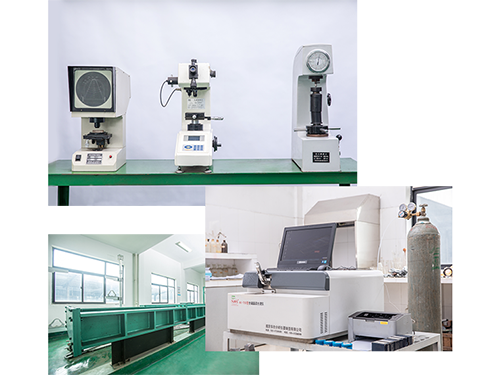
According to international standards: ISO7465:2007; ISO630: 2021. According to international standards, conduct comprehensive testing of raw materials based on the material certification provided by suppliers to ensure that the quality of each batch of raw materials meets the requirements.
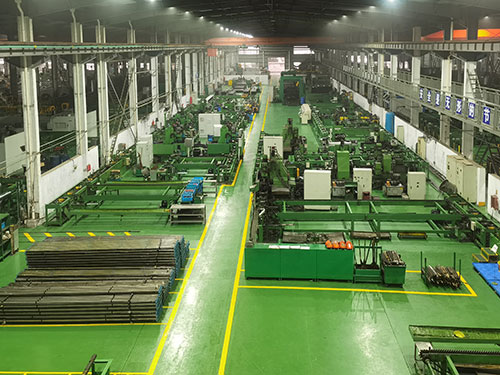
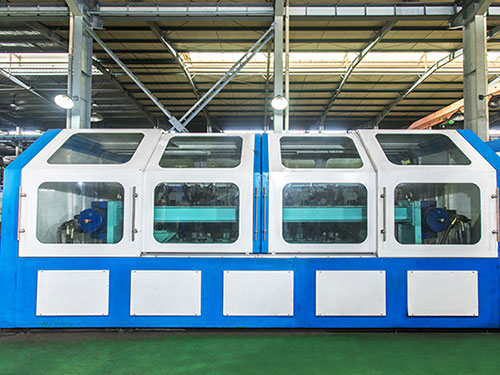
Configure two automated guide rail production lines. The equipment must ensure that the produced items comply with or exceed customer requirements while maintaining the stability of straightness, distortion, and surface roughness
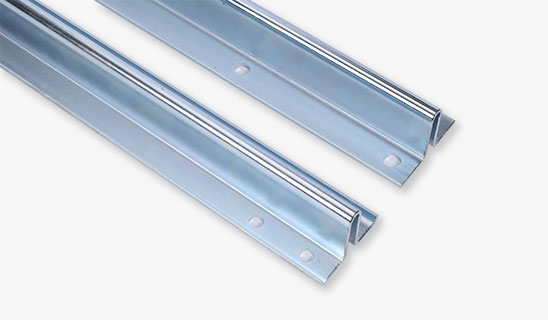
Given the stringent requirements for straightness and twist in BE grade guideways, specialized automatic straightening and twist correction equipment, along with advanced detection systems, have been implemented. The straightness is maintained within 0.5 mm, while the twist is controlled to within 30' per meter
The service concept of "customer first" asserts that, regardless of where our services are delivered—be it within the company, at the client's workplace, on the construction site, or during transportation—our primary objective remains to satisfy the client